

How to Create Wall Art Prints
Have you ever looked at your walls and thought they could use a personal touch? Custom wall art is a fun way to make your space yours. You can design pieces that reflect your family history, favorite travel memories, or unique style. Unlike store-bought options, custom art fits your space perfectly and lasts longer when made with high-quality materials. Plus, it’s a great way to support local artists and bring fresh creativity into your home. Why settle for generic when you can create wall art that tells your story?
Key Takeaways
Making your wall art makes your space feel personal and shows your style.
Try design tools like Canva or Photoshop to create your ideas with great quality.
Pick good materials like canvas or strong paper to make it last and look nice.
Frame or mount your art carefully to keep it safe and make it look better in your home.
Try fun ways to show your art, like gallery walls or leaning prints, for a cool and modern vibe.
Tools and Materials to Create Wall Art
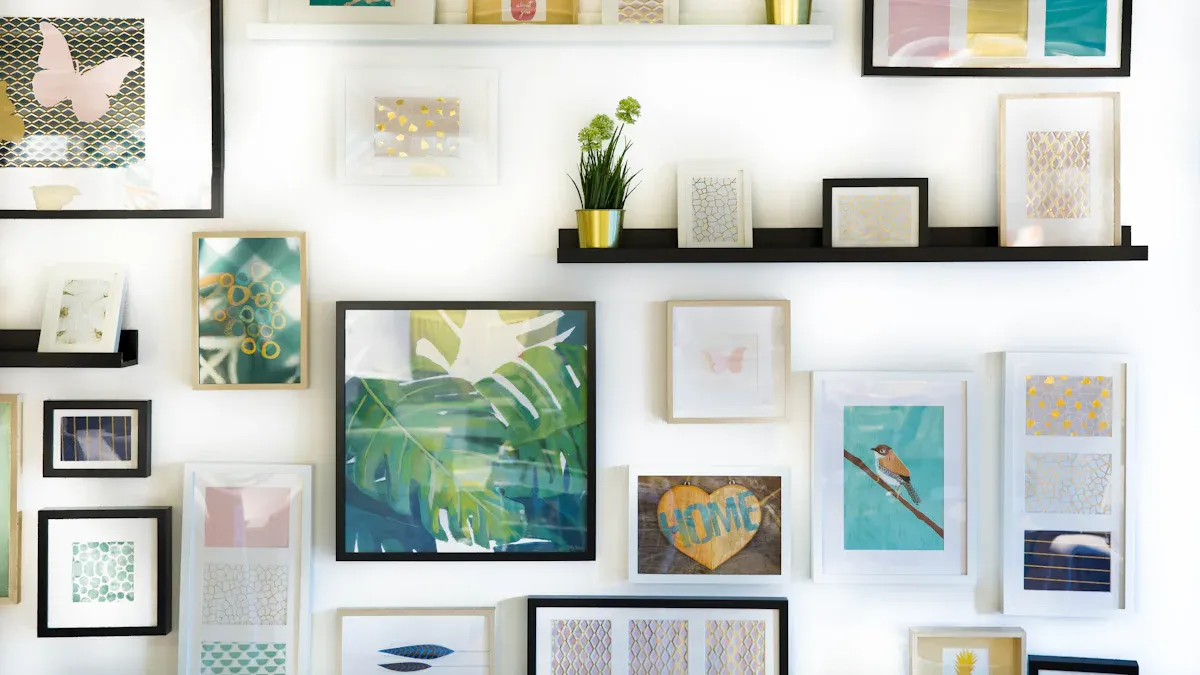
Creating wall art is easier when you have the right tools and materials. Let’s break it down into three main categories: design tools, printing materials, and display supplies.
Design Tools
Computer or tablet with design software (e.g., Canva, Photoshop)
You’ll need a computer or tablet with design software to bring your ideas to life. Free tools like Canva are beginner-friendly and perfect for simple designs. If you’re looking for advanced features, Photoshop is a great choice. It offers powerful photo editing, RAW photo support, and seamless integration with other Adobe apps. Plus, it’s the industry standard, making collaboration with professionals a breeze.
Here are some handy tools to help you during the design process:
Wall Art Size Calculator: Helps you pick the right size for your artwork based on your room.
Color Schemes for Impactful Design: Creates color combinations that match your wall colors.
Material Substrate Selector: Guides you in choosing the best material for your print, like canvas or acrylic.
Drawing tools for hand-drawn designs
Prefer a personal touch? Grab some pencils, markers, or paints to sketch your design by hand. You can scan your artwork later to digitize it for printing.
Printing Materials
High-quality paper, canvas, or other print mediums
The material you choose can affect the durability and look of your wall art. Canvas prints are sturdy and give a professional feel, but they’re pricier than paper prints. High-quality paper is a budget-friendly option, especially if you plan to frame your art. For humid areas, materials like metal or acrylic are ideal since they resist moisture and last longer.
Access to a home wall printer or professional printing service
A home printer works well for small projects, but professional services offer better quality for larger prints. They also provide options like UV-resistant coatings to prevent fading in sunlight.
Display Supplies
Frames, mat boards, or mounting materials
Frames and mat boards add a polished look to your artwork. You can also explore creative mounting options like canvas wraps for a modern vibe.
Hanging tools like nails, hooks, or adhesive strips
Adhesive strips, like Command Strips, are a game-changer. They’re easy to use, don’t damage walls, and are perfect for lightweight prints. For heavier pieces, traditional nails or hooks work best.
Tip: Don’t forget to check out popular display supplies like photo frames, mirrors, and decorative wall clocks to complement your wall art.
With these tools and materials, you’re all set to create wall art that transforms your space into a personal gallery.
Step-by-Step Guide to Create Wall Art
Step 1: Find Inspiration and Choose a Design
The first step to creating stunning wall art is finding inspiration. You can explore platforms like Pinterest or art blogs to spark your creativity. These sites are full of ideas, from minimalist designs to bold, colorful patterns. If you prefer something unique, consider using public domain art. Websites like Wikimedia Commons offer free access to classic artworks that you can adapt to fit your style.
Feeling adventurous? Try creating your design! Sketch something by hand or use digital tools to bring your vision to life. This approach ensures your wall art reflects your personality and taste.
Step 2: Edit and Prepare Your Artwork
Once you’ve chosen or created a design, it’s time to refine it. Use design software like Canva or Photoshop to adjust the resolution, size, and colors. High-resolution images ensure your prints look sharp and professional.
Save your file in a print-ready format such as TIFF, PDF, or JPEG. These formats preserve the quality of your artwork and make it easier to print. If you’re unsure about the settings, most design tools have templates or guides to help you out.
Step 3: Print Your Wall Art
Printing is where your design comes to life. You can use a high-quality home printer for smaller projects. For larger or more intricate designs, a professional printing service is a better choice. They offer options like UV-resistant coatings to protect your art from fading in sunlight.
Choosing the right material is crucial. Canvas gives a textured, vintage feel, while metal offers a sleek, modern look. If you’re in a humid area, materials like acrylic or metal are ideal since they resist moisture. Balancing quality and budget is key. Research suppliers to find cost-effective options that don’t compromise on durability or aesthetics.
Tip: Align your material choice with your personal style. It adds a unique touch to your wall art and enhances its overall appeal.
Step 4: Frame or Mount Your Artwork
Framing or mounting your artwork is the final step to give it a polished and professional look. This step not only protects your piece but also enhances its visual appeal. Let’s explore how to choose the best option for your design.
Select a frame or mat board that complements your design
Frames and mat boards can transform the way your artwork looks. The right frame color can either enhance or contrast with your design, setting the tone for the entire room. For example:
A dark, heavy frame adds drama and works well in formal spaces.
A light, airy frame feels fresh and suits modern or minimalist designs.
Colored frames bring a playful vibe, perfect for pop art or kids' rooms.
Mat boards also play a big role. They create a border around your artwork, drawing attention to the design. A well-chosen mat can make your piece feel larger and more focused. If your artwork has bold colors, a neutral mat balances the look. For softer designs, a colored mat can add depth and character.
When selecting a frame, consider the material. Wooden frames pair beautifully with earthy or natural landscapes, while metal frames complement bold, contemporary art. The size and thickness of the frame should match your artwork without overpowering it.
Consider alternative mounting options like canvas wraps
If you’re looking for something different, canvas wraps are a great choice. They stretch your artwork over a wooden frame, creating a clean, frameless look. This style works well for modern or abstract designs. It’s also a practical option if you want to skip traditional framing.
Canvas wraps are durable and lightweight, making them easy to hang. They’re especially popular for large pieces, as they create a gallery-like effect. If you want to create wall art that feels sleek and modern, this is a fantastic option to consider.
Tip: Always test how your frame or mounting choice looks with your artwork before finalizing. It ensures the perfect match for your space.
Tips and Resources for Wall Art Creation
Finding Inspiration
Browse art blogs, museums, or online galleries
Looking for ideas to kickstart your creativity? Art blogs, museums, and online galleries are treasure troves of inspiration. Websites like MoMA or Tate Modern showcase stunning collections that can spark fresh ideas. You might find a color palette, a unique pattern, or even a theme that resonates with you. Visiting local museums or galleries can also help you connect with art in a more personal way.
Use platforms like Unsplash or Pexels for free images
If you’re on a budget or just want something quick, platforms like Unsplash and Pexels offer free, high-quality images. These sites have everything from breathtaking landscapes to abstract designs. You can download and customize these images to suit your style. It’s a simple way to create wall art that feels professional without starting from scratch.
Design and Printing Resources
Use tools like Canva or Photoshop for editing
Designing your wall art becomes a breeze with tools like Canva and Photoshop. Canva is perfect for beginners, offering drag-and-drop features and pre-made templates. Photoshop, on the other hand, gives you advanced editing options for more detailed work. You can also use handy tools like the Wall Art Size Calculator to ensure your design fits your space perfectly.
Here are a few other resources to make your process smoother:
Picture Height Calculator: Helps you hang your art at the ideal height.
Material Substrate Selector: Guides you in choosing the best material for printing, like canvas or metal.
Color Schemes for Impactful Design: Assists in picking colors that complement your walls.
Explore online printing services like Shutterfly or Printful
Once your design is ready, services like Shutterfly and Printful can handle the printing. They offer options like canvas wraps, metal prints, and even UV-resistant coatings. These services ensure your artwork looks polished and lasts longer.
Budget-Friendly Ideas
Repurpose thrifted frames or use DIY materials
Thrift stores are goldmines for affordable frames. You can upcycle them into unique pieces. For example:
Turn collage frames into mid-century modern decor.
Use frames to hold fabric for embroidery projects.
Paint and transform frames into stylish cork boards or even coffee table trays.
These creative ideas not only save money but also add a personal touch to your art.
Print smaller sizes to save on costs
Printing smaller sizes is another great way to stay within budget. Smaller prints require less material and are easier to frame. You can even group them together to create a gallery wall effect. It’s a cost-effective way to make a big impact.
Tip: Combine thrifted frames with smaller prints for a charming, budget-friendly display.
Displaying Your Wall Art
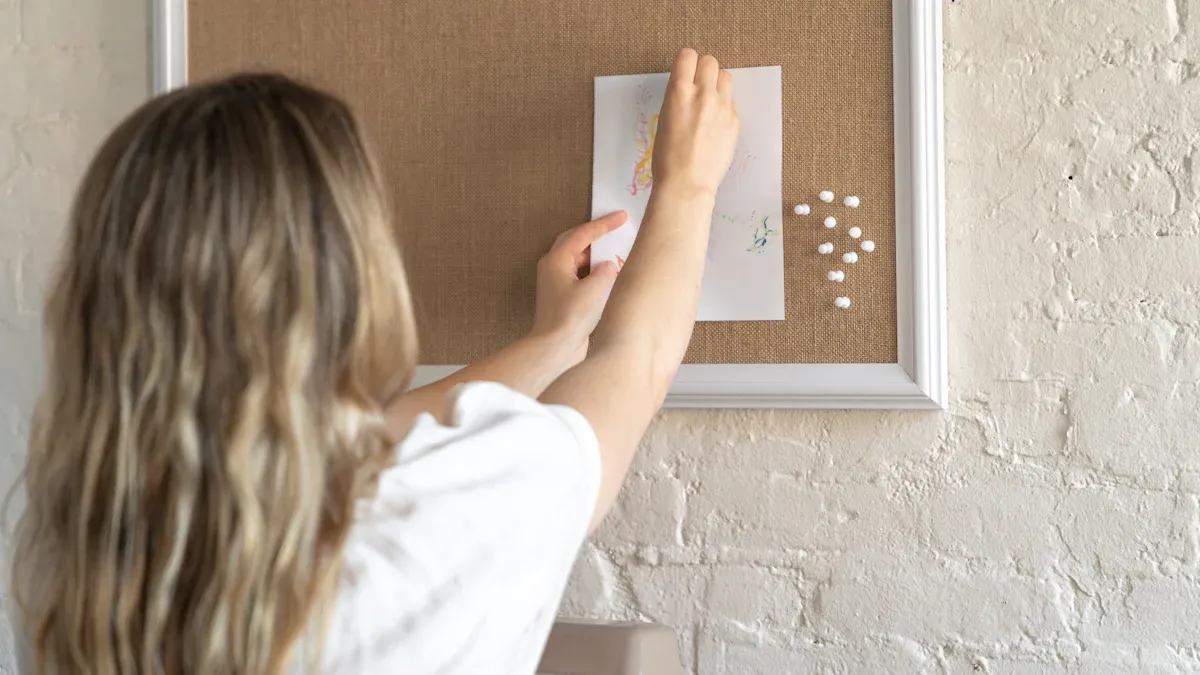
Framing and Mounting Techniques
Use simple frames for modern designs or ornate frames for classic art
Choosing the right frame can elevate your wall art and tie it into your room’s decor. For modern designs, stick to simple frames with clean lines. Black, white, or metallic frames work well and keep the focus on the artwork. If you’re displaying classic art, ornate frames with intricate details add a touch of elegance.
When framing, consider the Golden Ratio. This timeless principle suggests that a frame’s dimensions should be 1.618 times the size of the artwork. It creates a balanced, visually appealing result that works for both modern and classic styles.
Experiment with matting for a professional look
Matting is a game-changer when it comes to framing. It separates your artwork from the glass, preventing humidity damage and preserving its integrity. Plus, it hides hinges and edges, giving your piece a cleaner, more polished appearance.
Benefits of Matting |
|---|
Protects artwork from humidity and condensation damage |
Prevents fugitive media from contacting glass or acrylic |
Enhances visual appeal by offering a resting place for the eyes |
Highlights colors and coordinates with room decor |
For a gallery-like effect, try weighted bottom mats. These draw attention to the focal point of your artwork. Extra-wide mats can also make smaller pieces stand out by filling more wall space.
Hanging Tips
Arrange prints in a gallery wall layout
Gallery walls are a fantastic way to display multiple pieces together. Start by laying out your prints on the floor to experiment with different arrangements. Use templates or paper cutouts to visualize the layout on your wall before committing.
To achieve a symmetrical look, ensure all pieces are level and equidistant. A tape measure and level are essential tools for this step. They help you position each piece accurately, creating a cohesive and professional display.
Use a level and measuring tape for precise placement
Precise placement makes all the difference when hanging wall art. Tools like tape measures, stud finders, and levels ensure your artwork is secure and perfectly aligned. For high areas, a ladder provides safe access. If your piece requires screws, a screwdriver will come in handy.
Tip: Always double-check your measurements before making holes in the wall. It saves time and prevents unnecessary damage.
Creative Display Ideas
Hang prints with clips or string for a casual look
For a relaxed, informal vibe, use clips or string to hang your prints. This method works especially well for posters, photographs, or unframed artwork. You can pin them directly to the wall with washi tape or attach them to a string using clips. It’s easy to rearrange your display whenever you want a fresh look.
Lean framed prints on shelves for a minimalist vibe
If you prefer a minimalist approach, lean your framed prints on shelves or mantels. This technique eliminates the need for nails or hooks and allows you to swap out pieces effortlessly. It’s perfect for creating a layered, curated look without overwhelming your space.
Note: Combine different frame sizes and orientations for added depth and interest.
Creating wall art prints is more than just a fun project—it’s a way to make your space feel like home. When you surround yourself with meaningful art, you foster a sense of connection and comfort. It’s amazing how the right piece can spark creativity, calm your mind, or even brighten your day. With the tools and tips in this guide, you’re ready to create wall art that reflects your personality and enhances your emotional well-being. Why wait? Start your project today and turn your walls into a personal gallery that inspires you every day!
FAQ
What’s the best size for wall art prints?
The size depends on your space. For small rooms, go with 8x10 or 11x14 inches. Larger spaces look great with 16x20 or bigger. If you’re creating a gallery wall, mix sizes for variety.
Can I use my phone to design wall art?
Absolutely! Apps like Canva and Procreate work well on smartphones. Just make sure your design resolution is high enough for printing. A resolution of 300 DPI is ideal for sharp, professional-looking prints.
How do I choose the right colors for my wall art?
Pick colors that match or complement your room’s decor. Use tools like color palette generators to find harmonious combinations. If you’re unsure, neutral tones like black, white, or beige work with almost any style.
What’s the easiest way to hang wall art without damaging walls?
Use adhesive strips like Command Strips. They’re strong, easy to apply, and won’t leave marks when removed. For lightweight prints, washi tape or clips can also work for a casual display.
Can I print wall art at home?
Yes, you can! Use a high-quality printer and paper for the best results. For larger prints or special materials like canvas, professional printing services are a better option.